

In short: The importance of fashion design in our lives comes from two facts: clothes are the one kind of design almost everyone uses every day, and the industry behind them is large. In the UK it directly added £28.9 billion to the economy in 2021 and supported more than 1.4 million jobs. It also carries a heavy cost: the UN Environment Programme puts the textile sector at 2 to 8 per cent of global greenhouse gas emissions.
Updated 20 November 2026 by Studio Notes editors
This guide looks at why fashion design is more than decoration: what it does for people, what it does for economies, and what it costs the planet. It is a sourced explainer from an independent reference site. For the cultural side of the story, see our guide to fashion as art.
A few terms. Gross value added, or GVA, measures the value an industry adds to an economy through profits and wages. Fast fashion is the business of making cheap, trend-led clothing very quickly. Circular fashion means keeping clothes and materials in use through repair, resale and recycling.
Why is fashion design important?
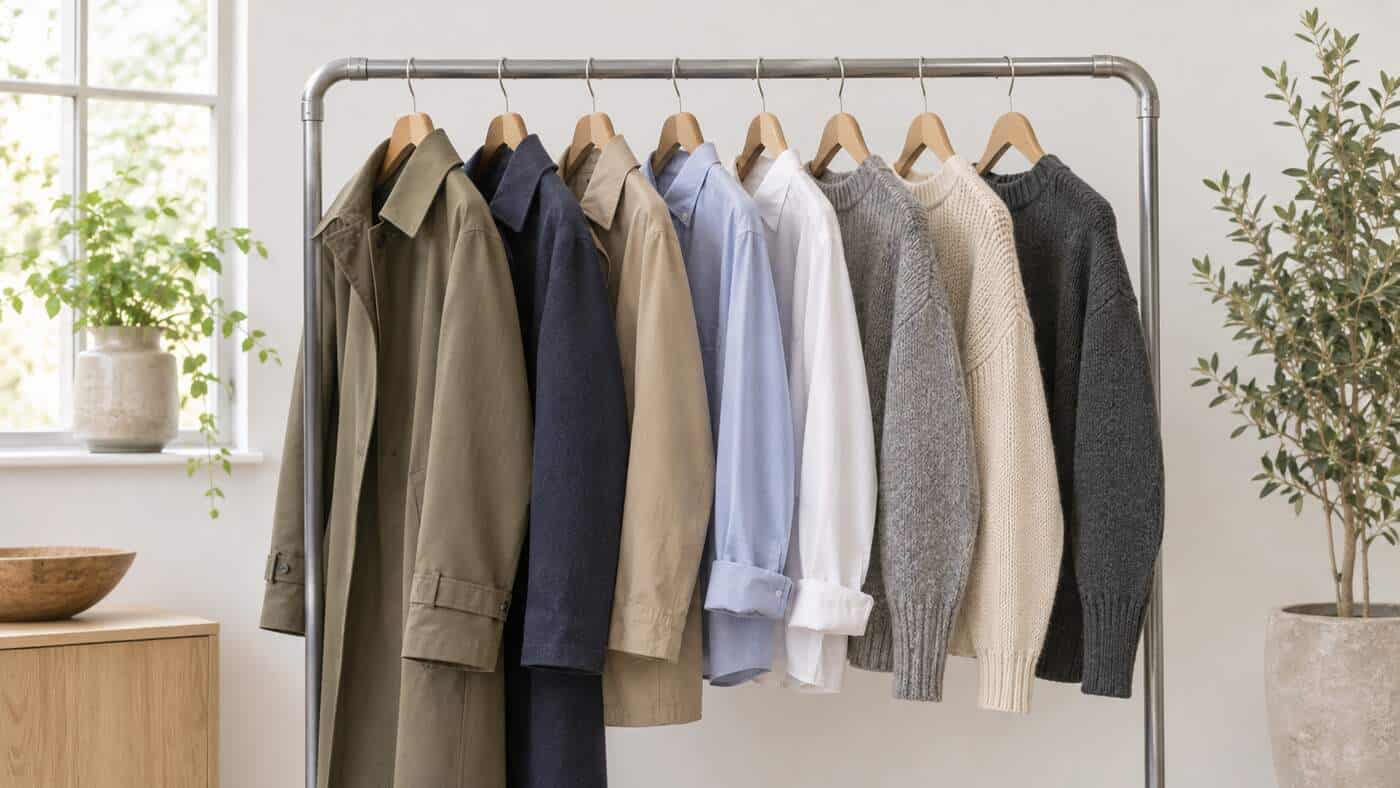
Clothing is necessary, but design decides what that clothing does beyond keeping us warm. Cut and fit decide whether a garment is comfortable to work in. Materials decide how long it lasts and how it should be washed. Shape, colour and detail decide what it says about the person wearing it. All of these are design decisions, made long before a garment reaches a shop.
That is why fashion design touches more lives than most other design fields. Few people commission a building or a car, but almost everyone gets dressed. Good design can make clothes easier to wear for people with disabilities, safer for workers, and more suited to a climate. Poor design produces garments that fall apart, do not fit, or are thrown away after a few wears.
Clothes, identity and self-expression
Clothes are one of the first ways people read each other. Uniforms show a role, from a nurse to a pilot. Subcultures use clothing to signal belonging, as punks, goths and club kids have done in London since the 1970s. In many cultures, traditional dress marks weddings, religious festivals and national days.
Designers work with that language on purpose. Some, such as Gareth Pugh, push it to the edge, using clothes to change the outline of the body entirely, as our profile of Gareth Pugh describes. Most work closer to everyday life, adjusting proportions and colours that people then adopt as their own. In both cases the designer is offering people new ways to present themselves.
How big is the fashion economy?
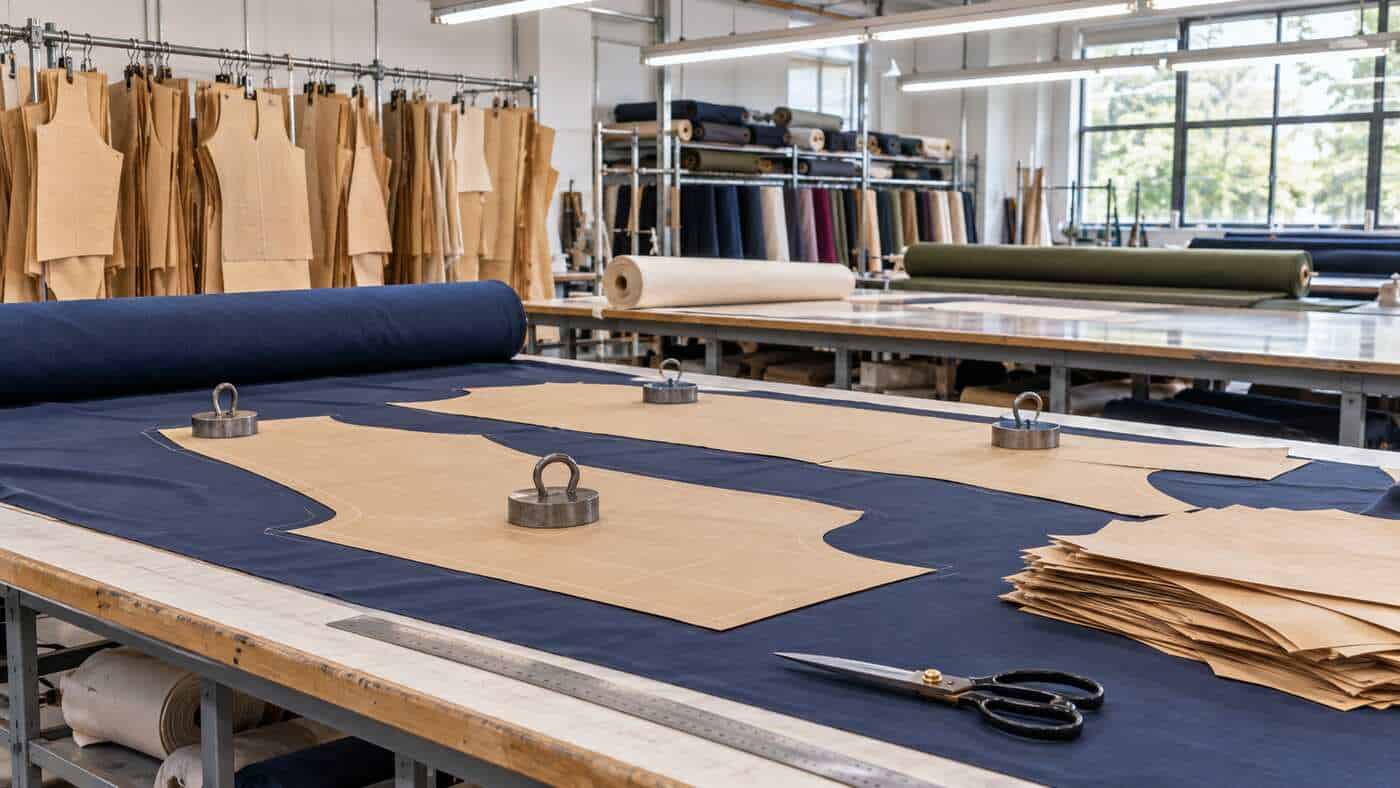
The UK offers a well-measured example. The British Fashion Council says the UK fashion industry contributed £28.9 billion in direct GVA and supported a total of £67.5 billion, equivalent to 3.2 per cent of UK GDP, or £1 in every £31 generated in the economy. It says the industry directly employs 819,000 people, 2.5 per cent of the workforce, and supports more than 1.4 million jobs in total.
The Oxford Economics report behind those figures, published by the BFC, says the industry supported a further £18.9 billion of value along its UK supply chain and £19.8 billion in the consumer economy in 2021. The jobs range from designers and pattern cutters to retail staff, photographers, writers, teachers and logistics workers.
Design jobs are a small share of that total. In the United States, the Bureau of Labor Statistics counts about 32,700 fashion designer jobs in 2025, with a median pay of $80,960 a year. Our guide to fashion design business skills covers what that means for people starting out.
What does fashion cost the planet?
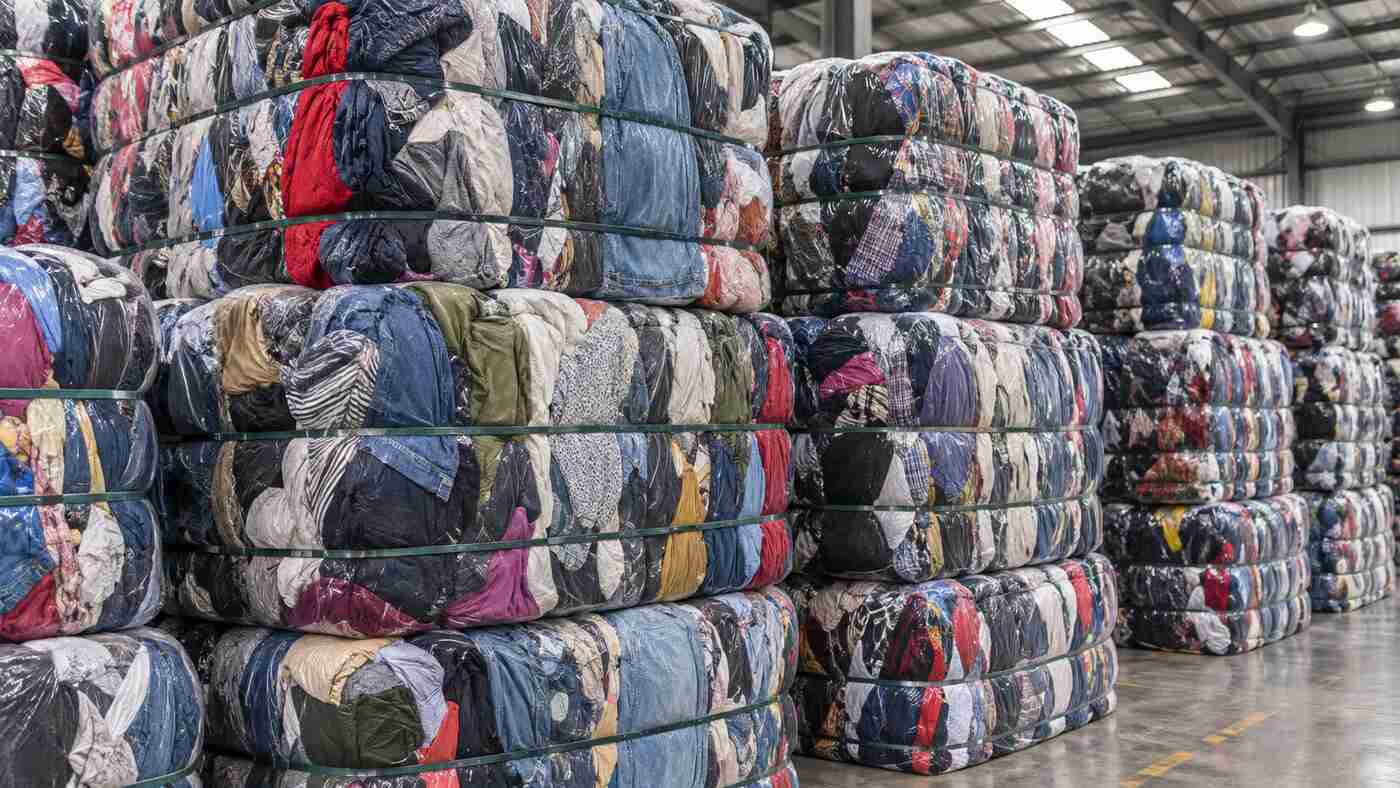
The environmental cost is the strongest reason design matters now. The UN Environment Programme says the textile sector produces 2 to 8 per cent of global greenhouse gas emissions every year, uses 215 trillion litres of water, the equivalent of 86 million Olympic-sized swimming pools, and contributes 9 per cent of the microplastic pollution that flows into the ocean.
Waste is the other side. The Ellen MacArthur Foundation’s 2017 report A New Textiles Economy found that the equivalent of one garbage truck of textiles is landfilled or burned every second, and that less than 1 per cent of material used to make clothing is recycled into new clothing. The report also found that clothing sales more than doubled between 2000 and 2015 while the number of times an item is worn fell.
A UNEP official explained the 2 to 8 per cent range in an interview with Ara: one study, by Quantis in 2018, put the figure at 8 per cent, while a 2021 World Resources Institute study put it at 2 per cent. The range reflects different methods, not a mistake.
How design can reduce the damage
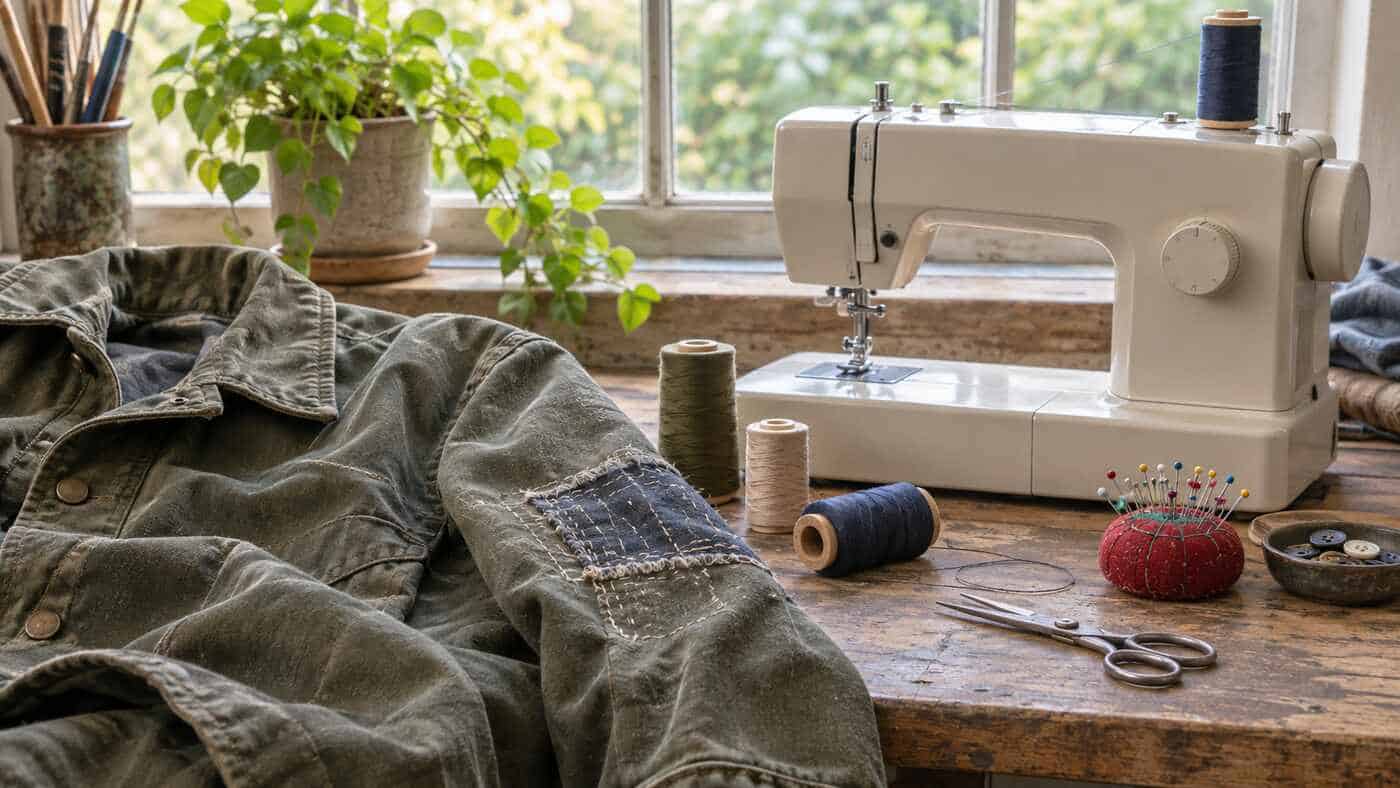
Many of fashion’s impacts are fixed at the design stage, when materials, construction and expected lifespan are chosen. UNEP says that doubling the number of times a garment is worn would reduce its greenhouse gas emissions by 44 per cent. Designing for durability, repair and resale is therefore one of the most direct tools a designer has.
Technology helps as well. Digital sampling lets designers test fit and drape on screen before cutting cloth, which our guide to computer-aided fashion design explains. Choosing single-fibre fabrics can make recycling easier, and modular designs can let parts be replaced instead of whole garments.
Fashion design beyond Europe
The figures above are for the UK, but fashion matters to economies around the world. In Thailand, fashion businesses including clothing, jewellery and gems, crafts and beauty products earned about 390 billion baht in 2021, exported more than 220 billion baht of goods and employed about 750,000 people, according to PRD Thailand. In 2024 the government named fashion as one of 11 soft power sectors to promote, the government’s English news service reported.
Design is what turns that manufacturing base into labels people know. Our guide to Thai fashion designers covers Bangkok’s best-known houses, while our profiles of Alexander McQueen and Rei Kawakubo show how individual designers changed how the world dresses.
Key takeaways
- Fashion design shapes the clothes almost everyone wears every day, from fit and comfort to meaning.
- Clothes signal identity, role and belonging, and designers work with that language.
- The UK fashion industry directly added £28.9 billion in 2021 and supported over 1.4 million jobs.
- UNEP puts textiles at 2 to 8 per cent of global greenhouse gas emissions.
- Wearing clothes twice as often would cut their emissions by 44 per cent, according to UNEP.
- Thailand’s fashion businesses earned about 390 billion baht and employed about 750,000 people in 2021.
Common questions
Why is fashion design important to society?
Because clothing is used by everyone, design choices about fit, materials and lifespan affect comfort, safety, identity and the environment on a very large scale, and the industry is a major employer.
How many people work in fashion in the UK?
The British Fashion Council says the industry directly employs 819,000 people and supports more than 1.4 million jobs in total, based on 2021 figures from Oxford Economics.
Is fashion bad for the environment?
It has a large footprint. UNEP estimates that textiles cause 2 to 8 per cent of global greenhouse gas emissions and use 215 trillion litres of water a year. Longer use, repair and better design can reduce that impact.
What is circular fashion?
An approach that keeps clothes and materials in use for as long as possible through durable design, repair, rental, resale and recycling, instead of making, wearing briefly and throwing away.
Is fashion important outside Europe?
Yes. In Thailand, for example, fashion businesses earned about 390 billion baht and employed about 750,000 people in 2021, and the government now promotes fashion as a soft power sector. See our guide to Thai fashion designers.
How we put this together: economic figures come from the British Fashion Council and its Oxford Economics report for 2021, and US job figures from the Bureau of Labor Statistics. Environmental figures come from UNEP’s key messages and the Ellen MacArthur Foundation’s 2017 report, as reported by Waste Dive and Eco-Business. We quote ranges where sources give ranges.
Sources
- British Fashion Council, government relations
- Oxford Economics for the BFC, The economic impact of the UK fashion industry
- US Bureau of Labor Statistics, Fashion designers
- UNEP, key messages on the textile sector
- Waste Dive, a garbage truck of textiles every second
- Eco-Business, Ellen MacArthur Foundation report on textiles
- Ara, interview with UNEP’s Elisa Tonda
- PRD Thailand, Thai fashion industry figures for 2021
- PRD Thailand, soft power and THACCA’s 11 sectors