
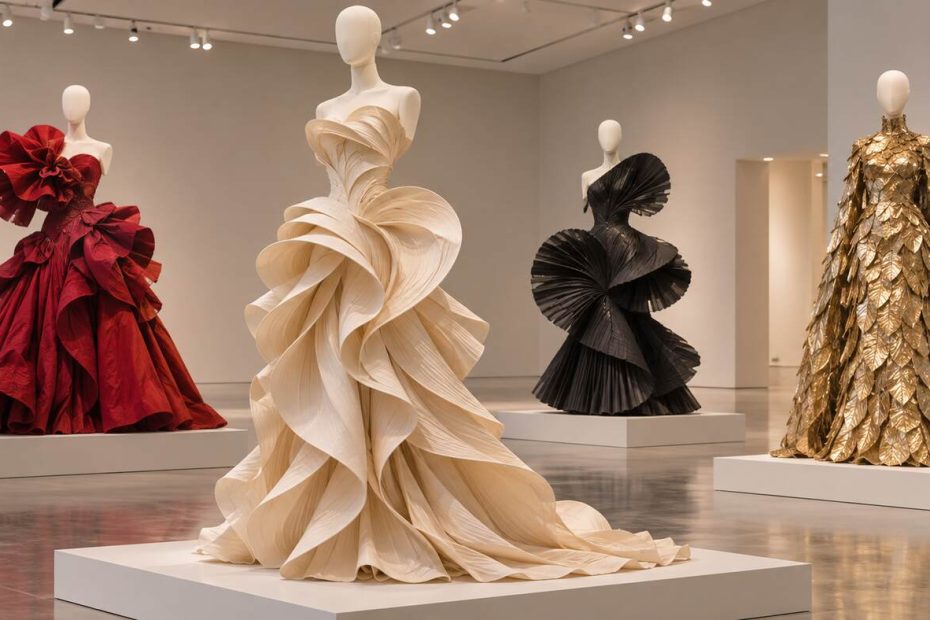
In short: Fashion design is considered a true form of art because it turns ideas into objects with a maker, a style and a history, and because the world’s great museums now collect and show it that way. The Met’s Costume Institute has collected dress since 1937. Its 2011 Alexander McQueen show drew 661,509 visitors, and the same show became the V&A’s most visited exhibition in 2015.
The argument over whether clothes can be art is old, and it is not settled. This guide sets out the case as museums, curators and designers make it, and the objections. It is an independent explainer, not the view of any designer. For one designer whose clothes are often called performance art, see our profile of Gareth Pugh.
Some terms first. Haute couture is made-to-measure clothing from a small group of houses in Paris. A monographic exhibition is a show about one artist or designer. A curator is the museum specialist who chooses and explains the objects on display.
What makes fashion design an art form?
The case usually rests on three points. First, a designer starts with an idea, not just a need. A coat has to keep someone warm, but the cut, the volume and the material are choices that express a point of view, in the same way a painter chooses colour and composition. Second, the best designers develop a recognisable language that can be traced across decades. Third, the objects outlive their season and are studied, collected and exhibited as evidence of their time.
Against that, critics point out that fashion is made to be sold and worn, often by large teams, and changes every few months. A dress is used, washed and thrown away in a way a painting is not. Many designers themselves avoid the word art. The useful answer is that design and art overlap: some clothes are mainly products, and some are mainly statements, and museums collect the second kind.
How museums started collecting dress
The Metropolitan Museum of Art in New York traces its fashion department to the Museum of Costume Art, an independent body formed in 1937 and led by Irene Lewisohn, founder of the Neighborhood Playhouse theatre. The Met says that in 1946, with financial support from the fashion industry, it merged with the museum as the Costume Institute, which became a curatorial department in 1959.
The start was theatrical. The Met’s own history says the original aim was to provide a study collection for theatre and film designers, and that the collection began with 493 articles of dress. By the merger it had grown to about 8,000 pieces spanning three centuries. Today the Met describes the collection as more than 80,000 costumes and accessories.
In London, the Victoria and Albert Museum holds a large dress collection and stages regular fashion exhibitions. Smaller institutions such as the Fashion Museum Bath run a yearly Dress of the Year, in which a fashion expert picks one outfit to represent the year.
Why do fashion exhibitions draw such crowds?
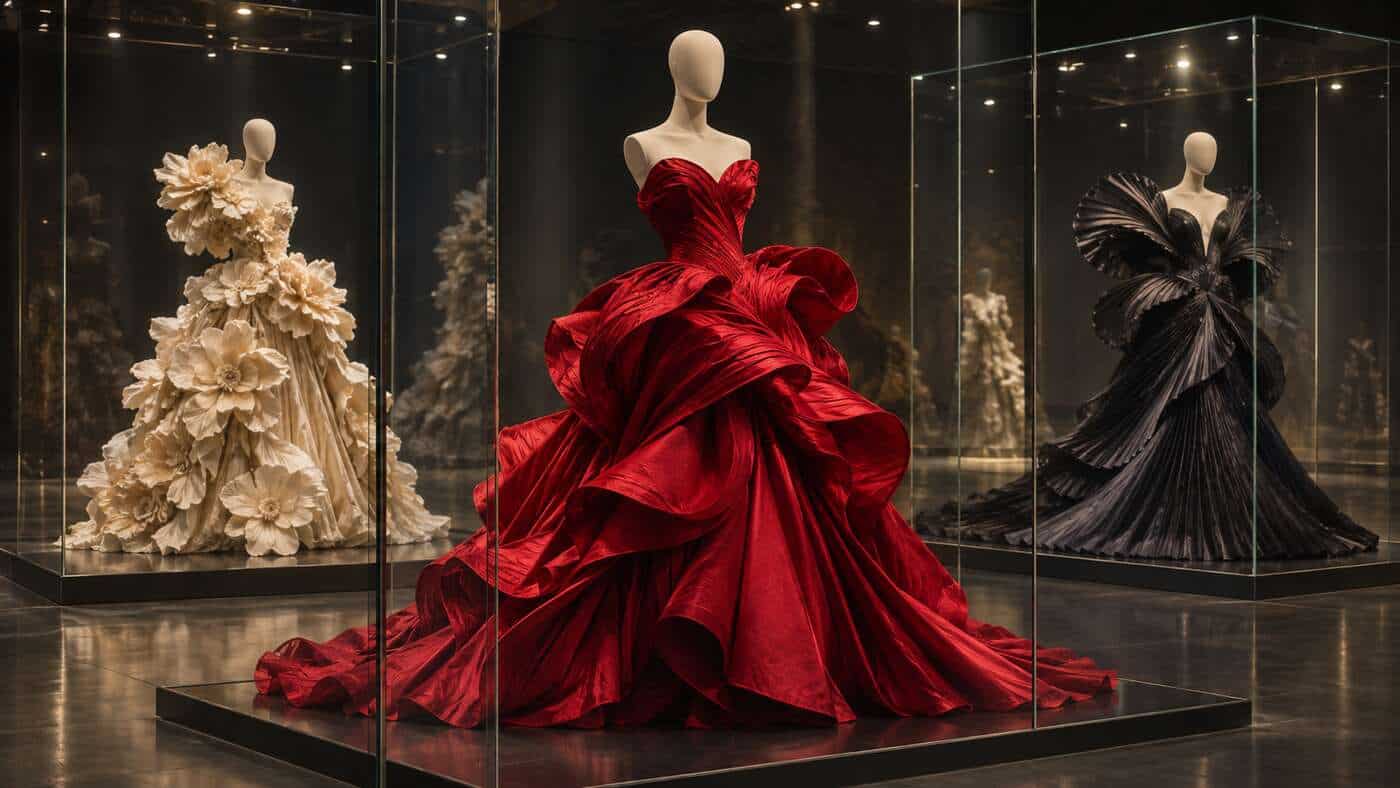
Attendance figures show how far public taste has moved. The Met announced that Alexander McQueen: Savage Beauty attracted 661,509 visitors between 4 May and 7 August 2011, placing it among the ten most visited exhibitions in the museum’s history. The V&A says the London version became its most visited exhibition, with 493,043 visitors over a 21-week run in 2015.
The record did not last. Dazed reported in 2015 that China: Through the Looking Glass passed McQueen at the Met, with 671,234 visitors by that point. The Met now says Heavenly Bodies, its 2018 show on fashion and Catholic imagination, attracted more than 1.65 million visitors across its two sites, making it the museum’s most visited exhibition of any kind.
The table below sets out the attendance figures reported by each museum.
| Exhibition | Museum | Year | Visitors |
|---|---|---|---|
| Alexander McQueen: Savage Beauty | The Met, New York | 2011 | 661,509 |
| Alexander McQueen: Savage Beauty | V&A, London | 2015 | 493,043 |
| China: Through the Looking Glass | The Met, New York | 2015 | 671,234 (as reported by Dazed) |
| Heavenly Bodies: Fashion and the Catholic Imagination | The Met, New York | 2018 | more than 1.65 million |
These numbers matter to the art argument because museums choose what to show partly by what they think deserves study. A fashion show that outdraws Old Master paintings is a sign that visitors read clothes as culture, not just as shopping.
Designers who blur the line with sculpture
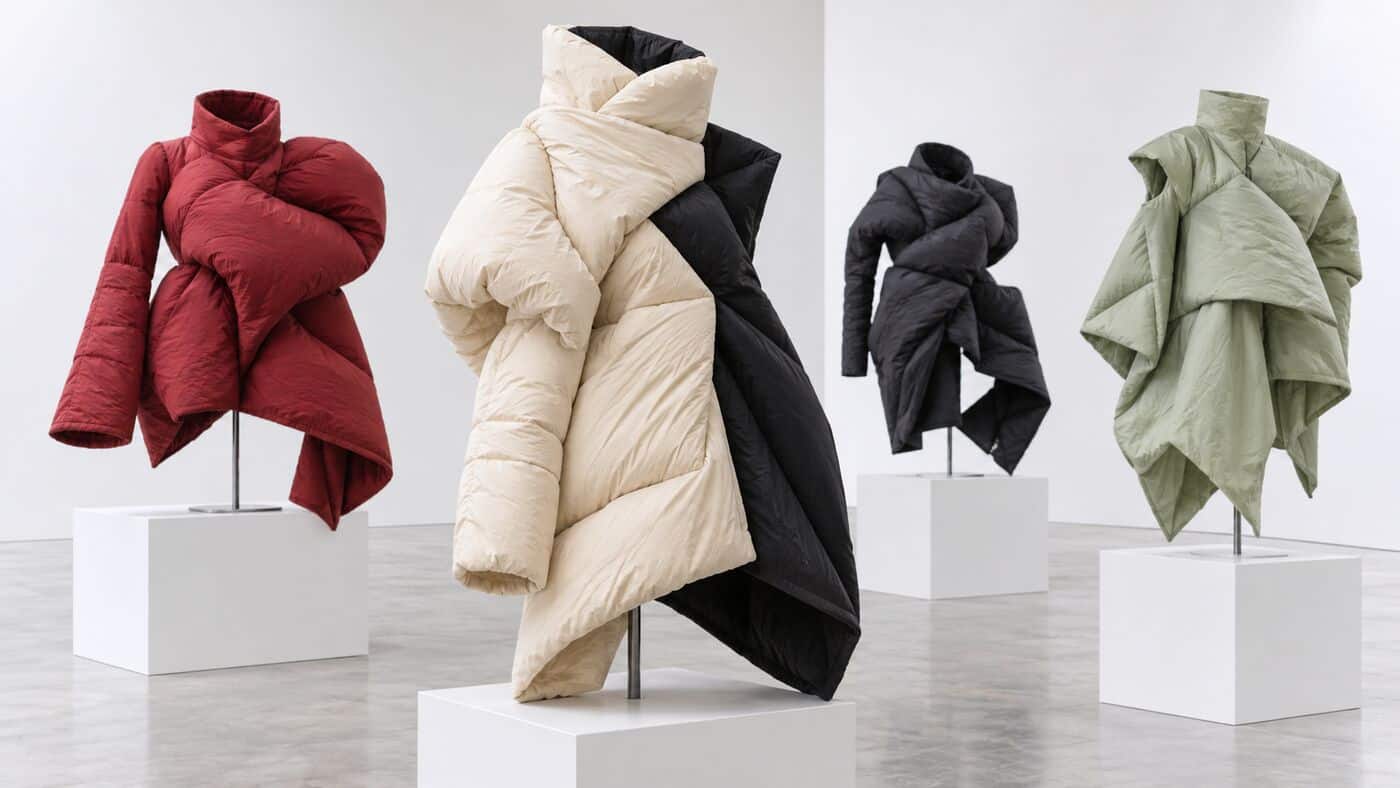
Some designers make the case without saying a word. In 2017 the Costume Institute staged Rei Kawakubo/Comme des Garçons: Art of the In-Between. The Met’s press release says it was the department’s first monographic show on a living designer since its Yves Saint Laurent exhibition in 1983, and that it showed about 140 of Kawakubo’s womenswear designs arranged by ideas such as Fashion/Anti-Fashion and Clothes/Not Clothes.
British designers have followed a similar path. Gareth Pugh’s work is described on English Wikipedia as performance art, and his costumes for the 2012 ballet Carbon Life turned dancers into moving geometric forms. Alexander McQueen’s shows were staged as theatre, which is part of why his retrospective drew such crowds.
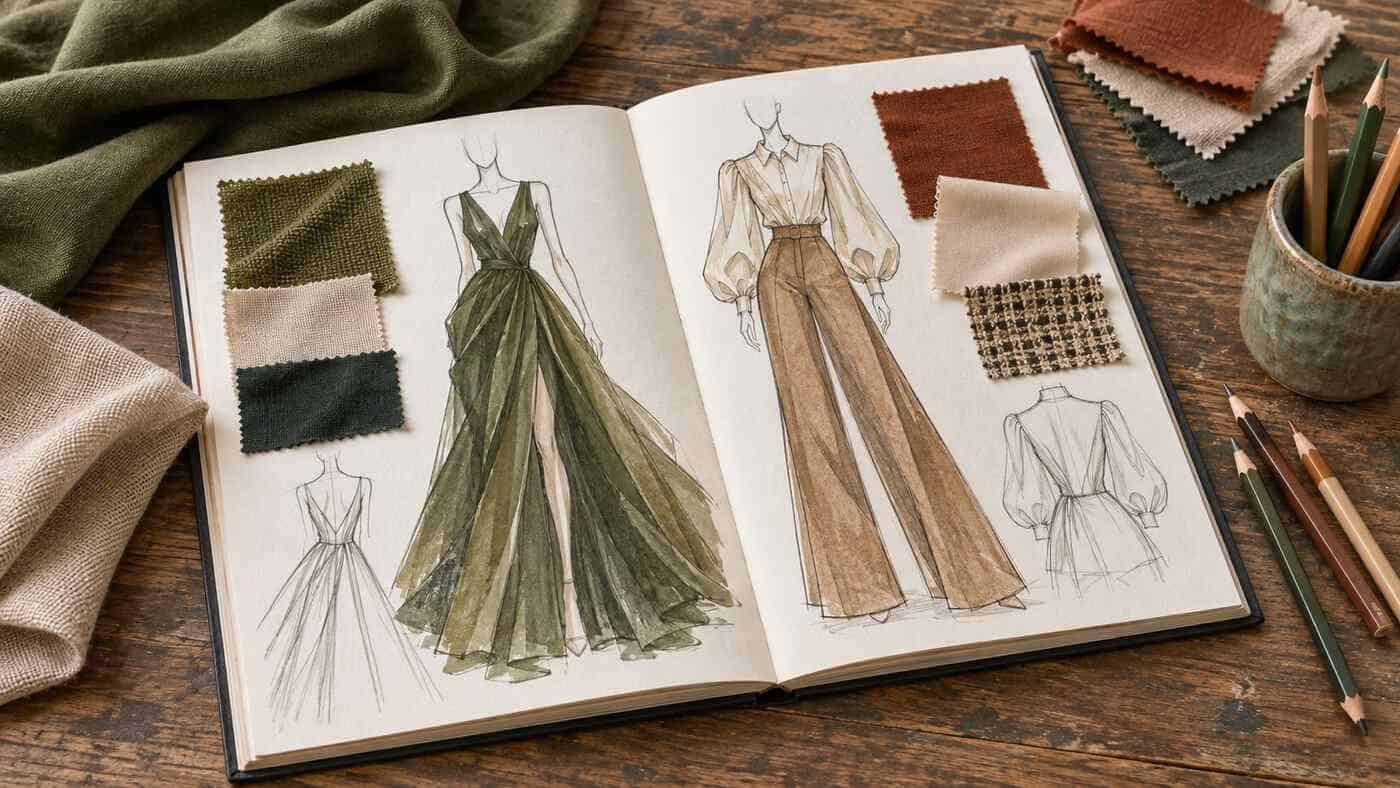
What fashion as art means for designers today
Treating fashion as art has practical effects. Archives become assets: a label that keeps its old pieces and drawings can lend them to exhibitions and tell its own history. Film and photography become part of the work, as our guide to fashion film explains. And design schools teach research, drawing and concept as well as cutting and sewing.
It also raises a question of value. Clothes that win museum attention do not always sell, and the designers who make them often depend on patrons, awards or other work. Our guide to fashion design business skills looks at that side of the job.
Glossary of fashion-as-art terms
- Costume Institute: the department of the Metropolitan Museum of Art in New York that collects and shows clothing.
- Retrospective: an exhibition covering the whole career of one designer or artist.
- Monographic exhibition: a show about a single designer, as opposed to a theme or a period.
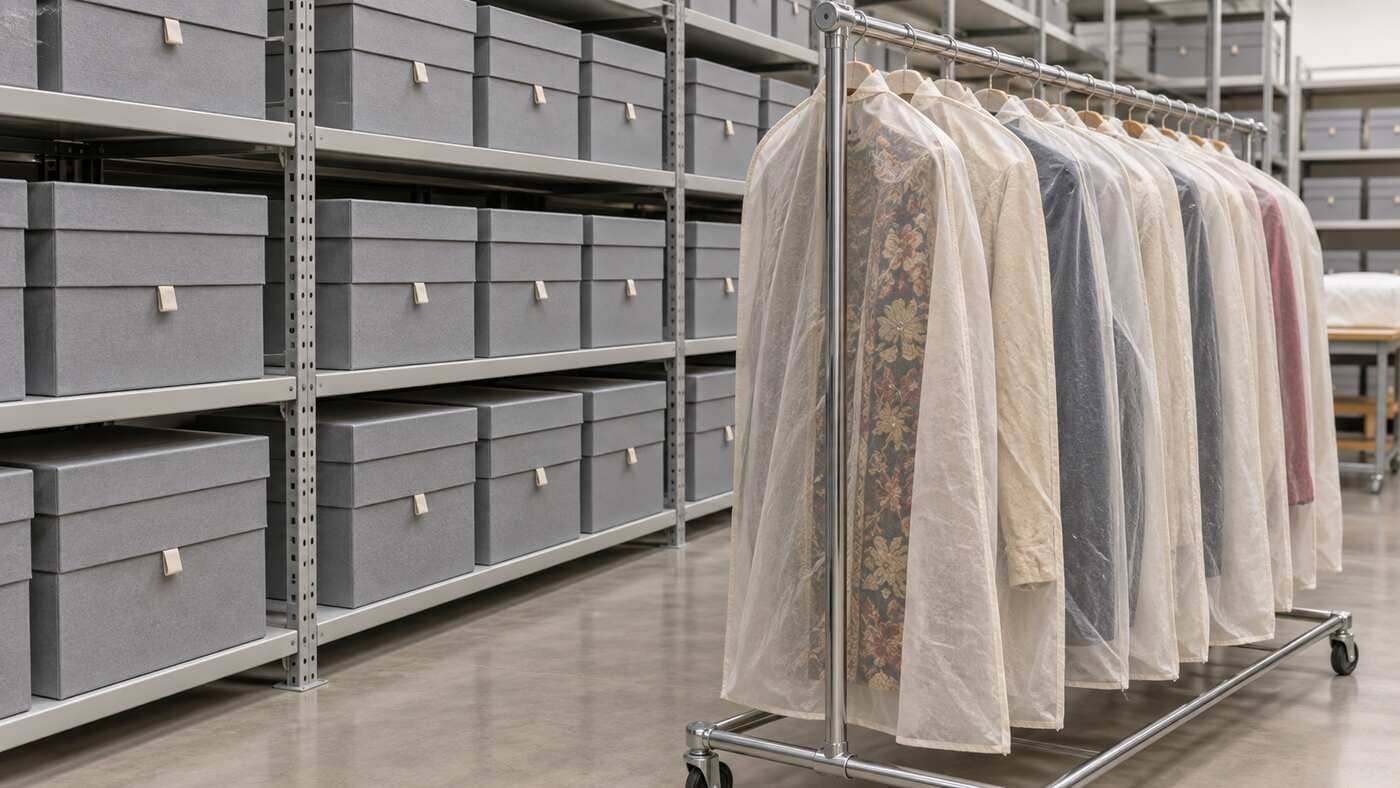
- Conservation: the work of cleaning, repairing and storing garments so they last, often in acid-free boxes and tissue.
- Couture: clothing made to order by hand for an individual client.
Key takeaways
- Fashion design is treated as art when clothes express an idea, carry a recognisable style and outlast their season.
- The Met’s Costume Institute began in 1937 as the Museum of Costume Art and joined the Met in 1946.
- Savage Beauty drew 661,509 visitors at the Met in 2011 and 493,043 at the V&A in 2015.
- Heavenly Bodies, a fashion show, is the Met’s most visited exhibition, with more than 1.65 million visitors.
- The debate continues, because most fashion is made to be sold and worn.
Common questions
Is fashion design art or design?
It can be both. Most clothing is product design, made to a price and a season. Some work, often shown at fashion weeks or on stage, is closer to sculpture or performance, and that is the work museums tend to collect.
Which museums collect fashion?
Major collections include the Costume Institute at the Metropolitan Museum of Art in New York, the Victoria and Albert Museum in London, and specialist museums such as the Fashion Museum Bath. Many national museums also hold dress in their textile departments.
What was the most visited fashion exhibition?
By the Met’s figures, Heavenly Bodies: Fashion and the Catholic Imagination, with more than 1.65 million visitors in 2018. In 2015, Alexander McQueen: Savage Beauty became the V&A’s most visited show up to that time.
Why did the Costume Institute start in a theatre?
Its founder, Irene Lewisohn, ran the Neighborhood Playhouse in New York and built the collection to help theatre and film designers study real historical clothes.
How we put this together: attendance figures come from the Met’s and the V&A’s own published statements, and from Dazed for the 2015 China show. The history of the Costume Institute follows the Met’s department page and its archive essays. The opening section summarises a long-running debate and does not claim one side is settled.
Sources
- The Met, The Costume Institute
- The Met, Today in Met History: December 13
- The Met, 661,509 visitors to Alexander McQueen retrospective (2011)
- V&A, Alexander McQueen: an introduction
- Dazed, Savage Beauty’s attendance record has been broken
- The Met, Rei Kawakubo/Comme des Garçons: Art of the In-Between
- Wikipedia, Gareth Pugh